Quietly: The Sans Serif Font That Speaks Volumes
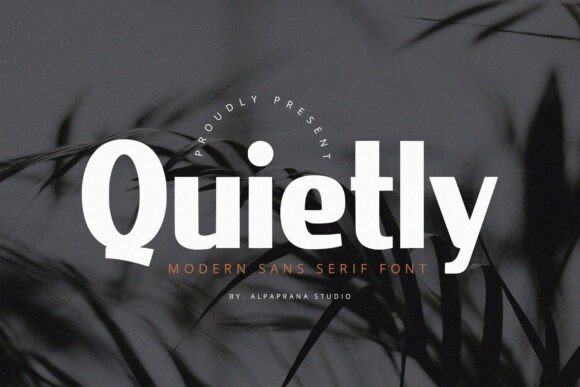
There’s a certain power in subtlety. In a world saturated with loud graphics and competing visuals, the most memorable designs often rely on quiet confidence. This is the philosophy behind the Quietly typeface—a modern sans serif font crafted for projects that demand elegance, clarity, and a timeless contemporary feel. It doesn’t shout for attention; instead, it draws the viewer in with its clean lines and balanced proportions, making it an incredibly versatile tool for a wide array of creative applications.
A Typeface with a Distinct Personality
At its core, Quietly is a study in refined simplicity. Its letterforms are meticulously designed with smooth curves and a consistent, harmonious rhythm. This isn't a font that relies on quirky details or stark geometric extremes. Its beauty lies in its neutrality and sophistication, allowing it to adapt seamlessly to different contexts without losing its inherent grace. Think of it as the perfect pair of tailored trousers or a well-made white shirt—it’s foundational, reliable, and elevates everything it’s paired with.
This modern typography choice excels where readability is non-negotiable. The generous x-height and open apertures ensure that text remains legible at both small sizes in body copy and large scales in headlines. For a designer, this means you can use a single font family across an entire brand identity—from the fine print on a packaging label to a bold hero statement on a website—and maintain perfect visual consistency.
Where Quietly Truly Shines: Practical Applications
The true test of a premium font is its versatility. Quietly is engineered to perform across digital and physical mediums, making it a valuable asset in any designer’s toolkit. Its elegant and modern feels make it particularly suited for projects where a professional and approachable aesthetic is key.
- Branding and Logo Design: For startups, boutique agencies, or luxury brands seeking a clean, contemporary image, Quietly provides a solid foundation. Its neutrality allows other brand elements—like color palettes and imagery—to take center stage while ensuring the typography remains polished and memorable.
- Editorial and Web Design: As a display font, its lighter weights are stunning for magazine headlines and website banners. The regular and medium weights are exceptionally readable for blog posts, article bodies, and digital product descriptions, enhancing the overall user experience.
- Packaging and Merchandise: On a shopping bag, a t-shirt, or product packaging, Quietly communicates quality and intentionality. It avoids the fleeting trends of more stylized script fonts or handwritten fonts, giving your product a shelf appeal that feels both current and lasting.
- Marketing and Social Media: Creating cohesive social media graphics is simpler when you have a versatile typeface. Quietly works beautifully for quote graphics, promotional announcements, and video subtitles, helping to build a recognizable visual language across all your marketing assets.
- Special Events and Invitations: For wedding stationery, gala invitations, or event posters, the font adds a touch of understated elegance. It pairs wonderfully with delicate serif fonts for a classic look or can stand alone for a minimalist, modern vibe.
Integrating Quietly into Your Design Workflow
Choosing the right font is just the first step. Using it effectively requires a bit of strategy. Here’s some practical advice for getting the most out of this sans serif font.
Consider the Context: Before selecting a weight or style, think about your project’s goal. Is it a formal annual report or a playful social media campaign? Use the bolder weights for impact and the lighter ones for delicate, airy designs. Always test your chosen style in the actual environment—view it on screen and, if possible, print a sample.
Master the Art of Font Pairing: While Quietly is strong on its own, it often works best in a system. Pair it with a contrasting serif font for body text in long-form articles to create visual hierarchy and interest. For a more dynamic feel, try combining it with a subtle script font for accents or pull quotes. The key is contrast in style but harmony in mood.
Review All Included Styles: A robust font family like Quietly typically includes a range of weights—light, regular, medium, bold, and sometimes italic versions. Don’t just use the regular weight everywhere. Experiment with the full spectrum to create depth and emphasis within your layouts, whether for a book cover or a digital product interface.
Don’t Forget Licensing: For any commercial font, understanding the license is crucial. Ensure the license covers your intended use, whether it’s for a single client project, unlimited print runs, or digital embedding in apps and websites. This protects both you and the font creator and is a hallmark of professional practice.
Beyond Aesthetics: The Functional Benefits
Ultimately, a font is a tool for communication. Quietly’s value extends beyond its good looks. By providing a consistent and professional typographic voice, it directly contributes to stronger brand recognition. Audiences begin to associate your specific style with your message, building trust over time.
Furthermore, its emphasis on readability isn’t just an aesthetic choice—it’s functional. Clear typography reduces cognitive load for your audience, whether they’re reading a blog post, scanning a product label, or following instructions on a website. This thoughtful approach to design enhances audience engagement and ensures your message is received as intended, without visual friction.
In the end, selecting a typeface like Quietly is an investment in your project’s clarity and longevity. It’s a creative font that understands its role: to support your vision, communicate with precision, and look effortlessly good while doing it. For the designer, entrepreneur, or creator, it’s a silent partner that lets the quality of your work speak for itself.