Miora: The Serif Font That Balances Timeless Elegance with Modern Edge
Every designer knows the feeling: you're staring at a blank canvas, a brand mood board, or a magazine layout, and the typography just isn't cooperating. You need something that feels authoritative yet approachable, classic but not stuffy, luxurious without being pretentious. Enter Miora, a serif typeface that seems to understand exactly what contemporary design projects demand. It's the kind of font that makes you pause, appreciate the letterforms, and immediately start imagining where you'd use it. Whether you're building a brand from scratch or refreshing an existing visual identity, this is the type of design asset worth exploring.
What Makes Miora Stand Out in a Crowded Font Market
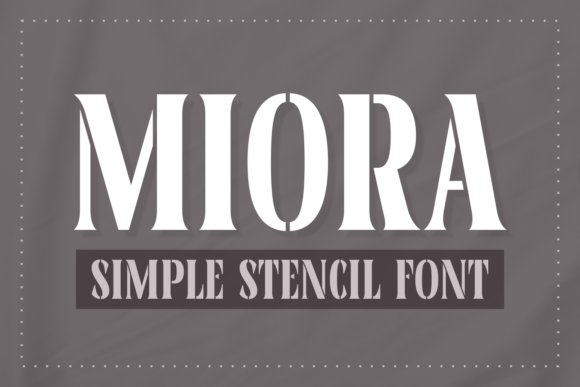
Let's be honest—there are thousands of serif fonts available today. So what sets this one apart? Miora strikes a rare balance between structural clarity and expressive character. The letterforms are clean enough to maintain readability at smaller sizes, yet they carry enough personality to command attention in display settings. The terminals have subtle refinements, the weight distribution feels intentional, and the overall rhythm of the typeface creates a sense of movement without sacrificing legibility.
Think about the fonts that have shaped iconic brands over the past decade. They share a common trait: they feel inevitable, as if no other typeface could have served the purpose. That's the sensation Miora evokes. It doesn't scream for attention—it earns it through thoughtful design choices that reveal themselves over time. The serifs are neither too heavy nor too delicate, striking a middle ground that works across industries from high fashion to artisan food brands.
Practical Applications That Actually Matter
Here's where theory meets reality. A beautiful font means nothing if it doesn't perform well in the contexts where you actually work. Let's walk through some real scenarios where Miora proves its worth.
Brand identity and logo design are perhaps the most demanding applications for any typeface. A logo needs to function at the size of a favicon and on a billboard. It needs to look just as compelling embossed on a business card as it does rendered in a single color on promotional merchandise. Miora's clean construction handles these demands gracefully. Its proportions remain balanced whether you're setting a brand name in all caps or using mixed case, giving you flexibility during the logo design process without compromising consistency.
For editorial design—think magazine headers, book covers, and layout titles—Miora brings that premium feel readers associate with quality content. There's an inherent trust that well-set serif typography communicates, and this typeface leverages that association effectively. Pair it with a clean sans serif for body text, and you've got a typographic system that feels cohesive and intentional.
Packaging design is another arena where Miora shines. Walk down any aisle in a boutique grocery store or specialty shop, and you'll notice that premium products tend to favor serif typography. It signals craftsmanship, heritage, and attention to detail. Miora fits naturally into this space, adding a luxurious dimension to product labels, box designs, and shopping bags without feeling overwrought.
Digital Spaces and Social Media Presence
The digital world presents unique typographic challenges. Screens vary in resolution, viewing distances change constantly, and attention spans are measured in milliseconds. Yet Miora performs admirably in these environments. Its generous x-height and open counters ensure that text remains legible on everything from a desktop monitor to a smartphone screen.
For social media graphics, where you're competing with an endless scroll of content, having a distinctive serif font can be the difference between someone stopping to read your post and moving on. Miora works beautifully for quote graphics, promotional announcements, and story overlays. Its character gives your content a visual signature that followers begin to recognize, which is invaluable for building brand consistency across platforms.
On websites and blogs, Miora serves as an excellent choice for headings and hero text. It creates an immediate visual hierarchy that guides visitors through your content. When someone lands on your homepage, the typography sets an expectation about the quality and nature of your offering before they've read a single word. A well-chosen serif like this one communicates professionalism and intentionality—exactly the impression most businesses want to make.
Pairing Miora with Other Typefaces
No font exists in isolation. The real magic happens when you find complementary typefaces that create a cohesive visual system. Miora pairs exceptionally well with geometric sans serif fonts, which provide a clean counterpoint to its more expressive serif details. Try combining it with a neutral sans serif for body copy to let Miora's personality shine in headlines and display text without overwhelming the reader.
For projects that call for a more layered typographic palette, consider introducing a script font or handwritten font for accent elements—think pull quotes, callouts, or decorative details. The key is to maintain contrast without creating visual chaos. Miora's structured elegance gives you a solid anchor point around which other typographic elements can orbit.
When testing font pairings, set real content rather than placeholder text. Type out actual headlines, subheadings, and body paragraphs. Adjust the sizes, weights, and spacing until the combination feels natural rather than forced. This practical testing approach reveals problems that theoretical pairing suggestions simply can't anticipate.
Merchandise, Print Materials, and Beyond
If you're creating apparel designs—t-shirts, tote bags, hats—Miora's balanced proportions translate well to screen printing and embroidery. Text-based designs rely entirely on the quality of the letterforms, and this typeface delivers the kind of refined aesthetic that elevates merchandise from generic to desirable. It's the difference between a shirt someone wears once and one that becomes a wardrobe staple.
Invitations, greeting cards, and stationery represent another natural fit. The quotable quality of Miora's letterforms makes statements feel considered and meaningful. Whether you're designing wedding invitations, holiday cards, or thank-you notes, the typography carries emotional weight that reinforces the sentiment of the message.
For marketing assets—brochures, flyers, posters, digital ads—Miora provides the visual authority that makes people take your message seriously. It's particularly effective for brands in lifestyle, fashion, beauty, and food industries, where aesthetic presentation directly influences purchasing decisions.
Choosing the Right Font for Your Project
Before committing to any typeface, clarify your project goals. Are you trying to communicate tradition and reliability? Innovation and sophistication? Playfulness and warmth? Miora leans toward the sophisticated end of the spectrum, making it ideal for brands and projects that want to project confidence and refinement.
Consider your audience carefully. A typeface that resonates with luxury consumers might feel out of place for a children's brand. Miora's natural audience appreciates quality, aesthetics, and attention to detail—think design-conscious consumers, creative professionals, and discerning buyers.
Always review the full character set and available styles before purchasing a commercial font. Check that it includes the glyphs you need—extended punctuation, currency symbols, accented characters for multilingual projects. Understanding what's included prevents frustration during production and ensures your design assets work seamlessly across all your projects.
Licensing matters too. If you're using a font for commercial purposes—client work, merchandise, products for sale—make sure the license covers your intended use. Most premium fonts offer clear licensing terms, but it's worth confirming before you invest significant design time building around a specific typeface.
The best typography decisions come from experimentation. Download a trial if available, set your actual content, and evaluate how the font performs in context. Print a test page. View it on different screens. Show it to someone unfamiliar with the project and ask for their gut reaction. These practical steps separate good typographic choices from great ones, and they'll help you determine whether Miora is the right fit for your next creative endeavor.