Kaobe: A Serif Font That Blends Classic Charm with Modern Edge
You know that feeling when you’re scrolling through a design feed, and something just stops you? It’s not the loudest thing on the screen, but it has this quiet confidence, a personality that feels both familiar and fresh. That’s the kind of presence a typeface like Kaobe brings to the table. It’s not just another serif font; it’s a statement piece for your typography toolkit, designed to inject a dose of sophisticated fun into projects that need to stand out with grace.
The Character of a Luxury Display Serif
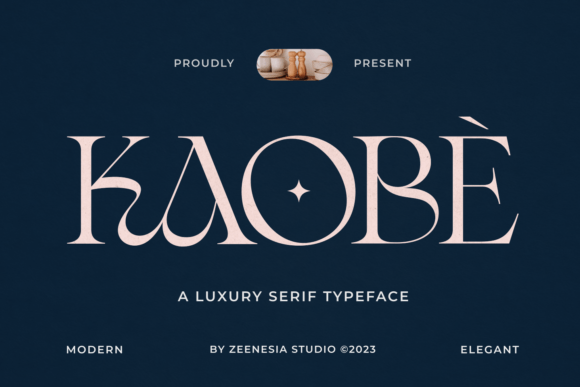
At its heart, Kaobe is a luxury display font, but that label only tells part of the story. Imagine the structured elegance of a classic serif, the kind that evokes tradition and trustworthiness. Now, infuse it with a distinctly modern sensibility. You get letterforms that are clean and refined, yet possess a unique flair—a slight contrast in stroke weight, a carefully crafted curve, or a terminal that adds just enough personality to be memorable. This isn't a font that shouts; it converses. It feels at home on a high-end product label, a boutique hotel’s website, or the masthead of a contemporary magazine. Its “deference look” is key; it commands attention without overwhelming the content it frames, making it a versatile player in your design assets.
Where Kaobe Truly Shines: Practical Applications
Thinking about where to deploy a font like this is where the real creativity begins. Its balanced nature makes it surprisingly adaptable. For logo design, Kaobe can form the backbone of a brand identity for a fashion label, a artisanal coffee roaster, or a design studio. It provides an immediate sense of quality and intention. In editorial design, it’s a natural for magazine headers, feature article titles, and pull quotes that need to feel both authoritative and engaging. The font’s clarity at larger sizes ensures these key elements grab the reader’s eye effectively.
Beyond print, its role in web design and social media graphics is equally compelling. As a web font, Kaobe can elevate the hero section of a homepage or give a blog’s headers a polished, cohesive look. On platforms like Instagram or Pinterest, where visual impact is everything, using Kaobe for text overlays on background images can transform a simple photo into a branded graphic that feels professional and curated. Think of it for packaging design on a shelf—its blend of classic and modern helps a product feel established yet contemporary. It’s also a fantastic choice for clothing branding on tags or minimalist apparel prints, for elegant invitations, or for creating marketing assets like brochures and posters that need to convey a premium feel.
Making It Work: Pairing and Readability
A beautiful font is only as good as its implementation. One of Kaobe’s strengths is its potential for font pairing. Because it has a strong personality, it often works best paired with something simpler. A clean sans-serif font for body copy or captions creates a beautiful contrast that enhances readability and visual hierarchy. For a more dynamic feel, it could be paired with a subtle script or handwritten font for accents, though this requires careful balance to avoid visual clutter.
Readability considerations are paramount. As a display font, Kaobe is engineered for impact at larger sizes—think headlines, logos, and subheaders. It’s not typically the best choice for long paragraphs of body text, where a more neutral serif or sans-serif would be easier on the eyes over many lines. Always test your font pairings in context. Mock up a website layout, a social media post, or a packaging flat to see how Kaobe interacts with your other typographic elements and imagery. Does it guide the viewer’s eye as intended? Does it support the message rather than distract from it?
Aligning Typography with Your Project Goals
Choosing a font is a strategic decision. Before you even open your design software, ask yourself: What is the core personality of this project? Is it playful, serious, luxurious, minimalist, or eclectic? Kaobe’s modern-classic duality makes it a strong candidate for projects aiming for a blend of professional presentation and creative energy. It helps build visual consistency across a brand’s touchpoints—from a website to a business card—reinforcing brand recognition every time a customer encounters it.
When you review the included font styles with a typeface like this, look beyond the basic Regular weight. Does it come with a bold or italic variant? These styles are essential for creating emphasis and hierarchy within your designs. A bold version of Kaobe could be perfect for a call-to-action button, while an italic might add a touch of elegance to a subheading. Understanding these options upfront saves time and ensures your design system is flexible.
A Note on Licensing and Professional Use
For anyone using a font in a commercial project—from a freelance designer to a small business owner—understanding the commercial licensing is non-negotiable. A premium font like Kaobe is an investment in your project’s quality. Always ensure you are purchasing the correct license for your intended use. Will it be used for a client’s logo? Embedded in a mobile app? Printed on merchandise? The license terms will clarify these points. Respecting these terms not only keeps you legally compliant but also supports the typographers and foundries that create the high-quality design assets we rely on. It’s a professional practice that upholds the integrity of the creative industry.
In the end, typography is the voice of your design. Choosing a typeface with a distinct yet adaptable character like Kaobe means giving your project a voice that is both confident and nuanced. It’s about finding that sweet spot where timeless appeal meets contemporary relevance, allowing your work to communicate with clarity, style, and a touch of undeniable personality.