Bring Retro Soul to Your Designs with Typehunter
More Than Just a Vintage Look
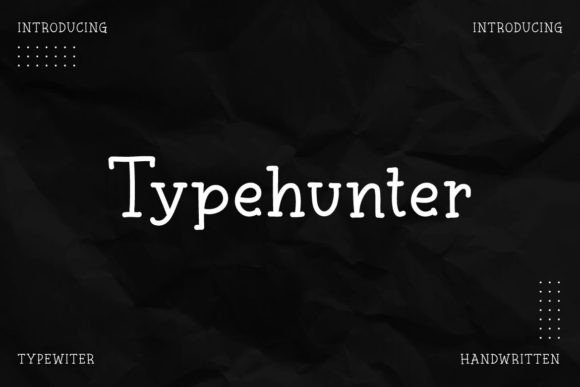
At its core, Typehunter is a display font that captures the essence of manual typewriting. Its monospaced characters and intentionally uneven edges replicate the subtle imperfections of a well-used machine. Each letterform bears the slight variations and ink bleed you'd find on a document typed decades ago. This isn't a sterile, perfect digital font. It has a personality—a sense of history baked right into its design. This makes it an incredibly versatile creative font for projects where authenticity matters more than flawless precision.
Think of it as a design asset that tells a story. The visual texture it provides can transform a flat, digital design into something that feels tactile and real. Whether you're designing a logo for a coffee roastery that values craftsmanship, creating social media graphics for a podcast about history, or laying out a menu for a speakeasy-style bar, Typehunter provides that crucial layer of visual context that connects with an audience on an emotional level.
Where This Typeface Truly Shines
The practical applications for a font like Typehunter are broad, spanning both digital and print realms. Its strong, recognizable character makes it ideal for projects where you need to make an immediate visual statement.
- Branding & Logo Design: For brands built on authenticity, heritage, or a DIY ethos, Typehunter can form the foundation of a memorable brand identity. It works beautifully for logos, wordmarks, and brand guidelines, especially when paired with a clean sans serif font for body copy.
- Packaging & Merchandise: Imagine a craft beer label, a vinyl record sleeve, or a coffee bag using this typewriter font. It instantly communicates a handcrafted, artisanal quality. It's equally effective for merchandise like t-shirts and tote bags.
- Editorial & Print Layouts: Use it for pull quotes, chapter headings, or title pages in magazines, books, or zines. It adds a tactile, authorial voice that draws the reader in. It's a fantastic tool for editorial design.
- Digital & Web Design: While best used for headlines and accents online, it can create powerful impact. Use it for website headers, blog post titles, or call-to-action buttons on a site with a vintage or literary theme. For social media graphics, it makes quotes and announcements stand out with undeniable character.
- Invitations & Marketing Assets: For event invitations, especially for themed parties, weddings, or corporate events with a historical angle, Typehunter sets the perfect tone. It also works well for posters, flyers, and digital ads where a retro aesthetic is key.
Practical Tips for Using Typehunter Effectively
Integrating a strong display font like Typehunter into your designs requires a thoughtful approach to maintain readability and visual harmony. Here’s how to get the most out of it.
Font Pairing is Key: The monospaced, textured nature of Typehunter means it pairs best with simpler, more neutral typefaces. A classic sans serif font like Helvetica, Arial, or a modern geometric sans provides a clean, readable counterbalance for body text. For a slightly different feel, a very clean serif font can also work, but avoid pairing it with other highly decorative or script fonts, as the result can become visually chaotic.
Prioritize Readability: This font is a display typeface, meaning it’s designed for headlines and short bursts of text, not long paragraphs. Using it for a 200-word description will likely strain your reader's eyes. Reserve it for titles, subheadings, quotes, and short labels where its unique texture can be appreciated without hindering comprehension.
Explore the Included Styles: A premium font family often includes multiple weights or styles. Check what comes with your Typehunter license. Does it include bold or italic versions? Having these options gives you more flexibility to create hierarchy and emphasis within your designs without needing to introduce another font.
Consider the Commercial License: If you’re using Typehunter for client work, merchandise for sale, or any commercial project, ensure you have the correct commercial license. This is a standard and crucial part of using any design asset professionally, protecting both you and your client.
Matching Typography to Your Project's Heart
Ultimately, choosing a font is about aligning visual style with project goals. Ask yourself: what feeling do I want to evoke? If the answer involves nostalgia, authenticity, ruggedness, or a sense of history, then a typewriter typeface like Typehunter is a strong contender. It’s not the right fit for a sleek, futuristic tech startup, but it’s perfect for a heritage brand, a literary blog, a record label, or a boutique creative agency.
Test it out. See how it looks in your specific context. Does it enhance your message or distract from it? The best typography supports the content, making it more engaging and memorable. By bringing the unmistakable aesthetic of old-fashioned typing into your work, you’re not just choosing a font—you’re adding a layer of narrative and visual interest that can make your designs stand out in a crowded digital landscape.