Winnie: The Typeface That Feels Like a Warm Hug
There’s a certain magic in the pages of a cherished storybook, a feeling that goes beyond the words themselves. It lives in the friendly curves of a character’s smile, the soft, rounded shapes of a cozy home, and the gentle flow of a narrative that feels like a bedtime whisper. Capturing that specific, heart-warming essence in design is a rare feat. Enter Winnie, a display font that doesn’t just form letters—it tells a story. Inspired by the plump, amiable characters of beloved childhood tales, this typeface wraps your projects in a blanket of nostalgic comfort and approachable charm. It’s a design asset that works not on a technical level, but an emotional one, making it a powerful tool for anyone looking to connect with their audience through warmth and familiarity.
A Design Steeped in Storybook Nostalgia
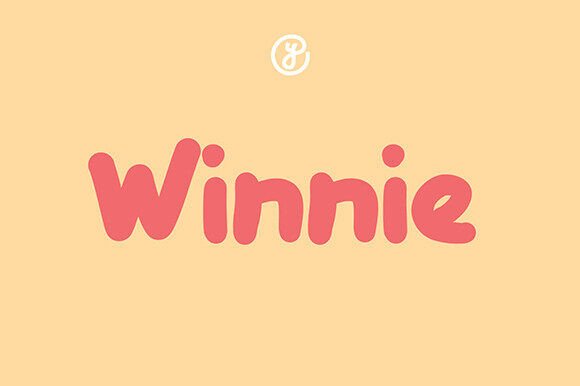
At its core, Winnie is a masterclass in visual personality. Forget sharp, sterile lines; this is a typeface built from round, plush forms that feel soft to the eye. Each letter seems to have a gentle weight, a pleasing plumpness that mirrors the friendly, huggable characters that inspired its creation. The terminals are rounded, the strokes are consistent and friendly, and the overall impression is one of safety, comfort, and joy. This isn't a modern sans serif font for corporate reports, nor is it a delicate serif for academic papers. Winnie is a creative font designed to evoke a specific, powerful feeling: the delight of a treasured narrative, the safety of a familiar face, and the vibrant energy of imagination. Its cheerful curves and open forms make it exceptionally legible at larger sizes, ensuring your message isn't just seen, but felt.
Where Winnie Truly Shines: Practical Applications
The true value of a font like Winnie lies in its ability to transform a project’s tone. It’s a premium font with a specific purpose, and using it effectively means understanding where its unique personality can create the most impact. Think of it as a specialized tool in your design toolkit.
Branding and Logo Design: For businesses centered on family, children, education, artisanal crafts, or wholesome food, Winnie can become the cornerstone of a brand identity. Imagine a bakery logo where the letters feel as warm and inviting as a fresh loaf of bread, or a children’s boutique whose name looks like it was lovingly stitched onto a blanket. It instantly communicates approachability and care.
Packaging and Product Design: On a shelf crowded with minimalist designs, Winnie stands out with its heart. It’s perfect for product packaging for items like organic baby food, handmade toys, cozy apparel, or gourmet comfort foods. The font itself tells a story about the product inside, suggesting handmade quality, natural ingredients, and a focus on joy.
Invitations and Print Materials: Whether for a child’s birthday party, a baby shower, or a cozy community event, Winnie sets the perfect mood on invitations, thank-you cards, and posters. Its friendly demeanor makes guests feel welcome before they even read the details.
Digital Presence: Websites, Blogs, and Social Media: Used thoughtfully, Winnie can dramatically boost audience engagement online. It’s spectacular for website headers, blog post titles, and social media graphics where you want to stop the scroll with warmth. A food blogger using Winnie for recipe titles can make a simple dish look like a cherished family heirloom. A parenting coach can use it to frame advice in a nurturing, non-intimidating way. It’s a typeface that fosters connection in the often-cold digital space.
Mercantile and Editorial Use: From T-shirts and mugs to tote bags and stickers, Winnie is ideal for merchandise that aims to spread happiness. In editorial design, it can be used for chapter headings in a cookbook, pull quotes in a lifestyle magazine, or titles for a children’s book series, adding a layer of whimsy and warmth to the layout.
Making Winnie Work for Your Project: A Practical Guide
Integrating a display font with a strong personality like Winnie requires a bit of strategy to maintain professionalism and readability. Here’s how to harness its charm effectively.
Font Pairing is Key: Winnie is a star, but it needs a supporting cast. Pair it with a clean, neutral sans serif font for body text. Think of fonts like Lato, Open Sans, or Montserrat. This contrast ensures your main text remains highly readable while allowing Winnie’s headers and logos to capture attention. Avoid pairing it with other highly decorative or script fonts, which can create visual clutter and harm readability.
Prioritize Readability: Because of its rounded, plush design, Winnie is best used for headlines, short phrases, logos, and display text. For longer blocks of copy—like website paragraphs or article body text—always switch to a more traditional body font. Test your designs at various sizes to ensure the letterforms remain clear and distinct.
Explore the Font Styles: A quality font family often includes more than one weight. Check if your Winnie typeface comes with variations like Regular, Bold, or even an Italic. Using a bolder weight for a main logo and a regular weight for subheadings creates a visual hierarchy that guides the viewer’s eye, enhancing both design and professionalism.
Commercial Licensing Matters: If you’re using Winnie for client work, merchandise for sale, or any commercial project, ensure you have the correct commercial license. This protects you legally and supports the type designers who created this valuable asset. Always review the license agreement that comes with your font purchase.
Test in Context: Don’t just look at the font in a design tool. Mock it up! Place your logo on a website header, put your packaging design on a product photo, or see how your social media graphic looks on a phone screen. This real-world testing is crucial to see if Winnie’s personality aligns perfectly with your project’s goals and audience expectations.
More Than a Font: A Connection to Feeling
In a world saturated with sleek, impersonal design, choosing a typeface like Winnie is a deliberate act of connection. It’s a decision to prioritize warmth over minimalism, approachability over austerity, and story over sterility. This font doesn’t just communicate a name or a title; it communicates a feeling—of care, of nostalgia, of gentle joy. It’s a tool for designers, entrepreneurs, and creators who understand that the most powerful branding often speaks directly to the heart. By choosing Winnie, you’re not just selecting a set of letters; you’re inviting a sense of wonder and comfort into your work, ensuring your projects don’t just look good, but feel unforgettable.