Why Danger Spooky is the Typeface That Haunts Your Designs
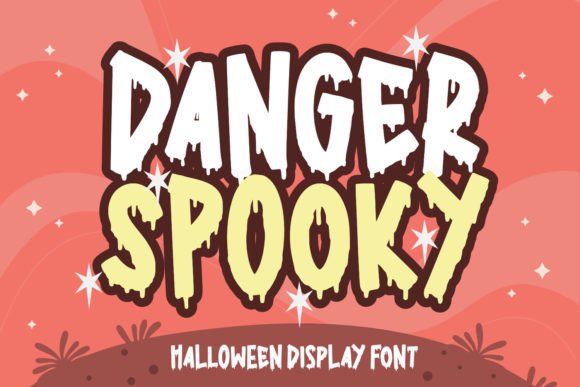
There’s a certain kind of design challenge that only comes once a year, but it’s one that demands a very specific toolkit. Whether you are designing a flyer for a local haunt, branding a seasonal pop-up shop, or creating merchandise for a horror podcast, generic sans-serifs simply won’t cut it. You need typography that feels tactile, visceral, and slightly off-kilter. This is exactly where the "Danger Spooky" font enters the conversation. It isn't just a collection of letters; it is a visual narrative. The characters appear to be actively melting, dripping with a surreal, nightmarish quality that transforms standard text into a spine-chilling display. It captures the essence of psychological horror rather than just relying on jump scares.
The Anatomy of a Nightmare: Visual Appeal
When we talk about modern typography in the context of seasonal or niche branding, we are often looking for something that breaks the grid. The visual appeal of this specific display font lies in its refusal to sit still. The melting effect creates a sense of decay and movement, which is incredibly effective for grabbing attention in a crowded visual landscape. Unlike standard serif or sans serif fonts that prioritize uniformity, this typeface embraces chaos. It mimics the look of wax dripping down a candle or slime oozing over a surface, offering a texture that usually requires complex graphic design work to achieve. For a designer, this is a massive time-saver because the font itself does the heavy lifting of setting the mood.
This aesthetic works because it taps into the "uncanny valley" of design. It looks like text, but it behaves like a liquid. This makes it an exceptional creative font for projects that need to evoke a strong emotional response immediately. It’s not meant to be invisible; it’s meant to be the focal point of your composition.
Practical Applications: From Packaging to Social Media
Understanding a font's personality is one thing, but knowing how to deploy it commercially is where the real value lies. As a creative asset, Danger Spooky offers versatility across several mediums, provided you use it with intent.
Branding and Logo Design: If you are launching a Halloween-themed product line or a horror-themed event, this font serves as a solid anchor for your brand identity. Imagine a logo for a "Haunted Escape Room" or a "Zombie Run" event. The melting typography instantly communicates the theme without needing additional explanation. It creates immediate brand recognition for your target audience.
Packaging Design: In the world of packaging, shelf appeal is everything. If you are selling artisanal candies, craft beers with spooky themes, or seasonal treats, using this typeface on your labels can differentiate your product from competitors using standard, boring fonts. It suggests that the product inside is fun, thematic, and worth a second look.
Digital Presence and Social Media: On platforms like Instagram or TikTok, you have milliseconds to stop a user from scrolling. A bold, melting headline created with a premium font like this can act as a scroll-stopper. It works exceptionally well for YouTube thumbnails, podcast cover art, or promotional banners for digital products. The visual inconsistency of the letters—some appearing to sag or stretch—adds a dynamic quality that static images often lack.
Print Materials and Merchandise: Think beyond paper. This style of typography looks striking on T-shirts, tote bags, and stickers. For small business owners or hobbyists selling on platforms like Etsy, merchandise featuring this nightmarish aesthetic can appeal to the "spooky lifestyle" demographic—people who love the macabre year-round, not just in October. It also translates well to posters for bands or movie screenings where an editorial design needs a gritty edge.
Strategic Typography: Improving Engagement and Recognition
It might seem counterintuitive to suggest that a "melting" font improves readability, but context is everything. While you wouldn't use Danger Spooky for the body copy of a legal contract, using it for headlines and sub-headers actually improves the readability of the design's intent. When a user sees a poster, the typography tells them what kind of event it is before they read the words. A dripping, horror-style font immediately filters the audience. It attracts the right people—fans of the genre—and signals that this content is for them. This improves audience engagement because the visual language aligns with their interests.
Furthermore, using a distinctive display font helps build brand recognition. If your marketing assets consistently use this specific aesthetic for your horror-themed content, your audience will start to recognize your "voice" visually. They will associate that melting, spooky look with your specific brand of content or products.
Implementation Tips for Designers and Creators
To get the most out of a decorative typeface like this, you need to treat it as a design asset that requires careful handling. Here are some practical recommendations for integrating it into your workflow:
- Font Pairing is Crucial: Because Danger Spooky is highly stylized, it needs a grounding partner. Do not pair it with another decorative or script font, or the result will be visual noise. Instead, pair it with a clean, geometric sans-serif font. A simple sans-serif for the body text will provide the necessary contrast to let the melting headline shine. This ensures professional presentation and prevents the design from looking cluttered.
- Size and Spacing: This is a display font, meaning it is designed to be used at large sizes. If you shrink it down too small, the "melting" details will turn into visual mud, ruining the readability. Use it for large headers, titles, and hero text. You may also need to adjust the kerning (letter spacing) manually. Because the characters are irregular, they might need to be spaced out slightly to ensure they don't clash into one another.
- Color Psychology: The color palette you choose will amplify the font's effect. High-contrast combinations—like neon green on black, or blood red on grey—enhance the nightmarish aesthetic. Conversely, using a pastel pink on a white background could turn the font from "scary" to "cute," which might be a creative twist for a "kawaii-horror" project.
- Review Included Styles: When you license a commercial font, check what is included. Does it come with alternate characters? Does it have a regular weight versus a bold weight? Knowing the full range of the typeface allows you to create hierarchy in your designs, distinguishing between main titles and subtitles while maintaining visual consistency.
Licensing and Commercial Use
For entrepreneurs and small business owners, the legal aspect of design assets is just as important as the aesthetic. When purchasing a creative font like this, you must understand the licensing terms. "Commercial licensing" means you are paying for the right to use the font to make money. This covers merchandise, client work, and digital products.
Always verify if the license is per-user (based on how many designers are using it) or per-project. If you are a freelancer creating a logo for a client using this font, you generally need to ensure your license covers the creation of logos for third parties. Some licenses require the client to purchase their own font if they need to edit the text later. Reviewing these details upfront prevents legal headaches down the road and ensures your business operates professionally.
Conclusion: Embracing the Macabre
In a marketplace saturated with clean, minimalist typography, choosing something as bold and textured as a melting font is a strategic move. It allows designers, marketers, and content creators to carve out a distinct niche. Whether you are designing a movie poster, packaging a seasonal beverage, or building a brand identity for a horror podcast, Danger Spooky provides the visual vocabulary needed to communicate "horror" effectively. It bridges the gap between standard text and graphic illustration, offering a tool that is as practical as it is atmospheric. By pairing it correctly and using it for high-impact headlines, you can turn a simple design into a memorable visual experience.