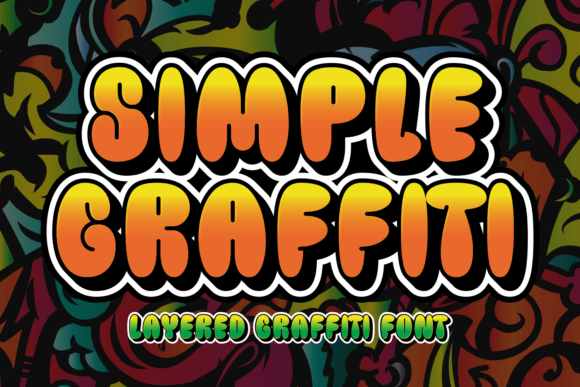
Simple Graffiti: A Bold Typeface for Urban Attitude
There’s a certain energy to street art that grabs your attention instantly. It’s raw, confident, and unapologetically bold. Translating that energy into digital or print design can be a challenge, but the right typeface makes all the difference. Simple Graffiti is a creative font designed to capture that edgy, urban vibe without overwhelming your layout. It’s built for projects that need to make a statement, offering bold, stylized lettering that feels authentic and modern. If you’re looking to inject some street art flair into your work, this typeface delivers it with straightforward impact.
Understanding the Visual Appeal of This Street-Style Font
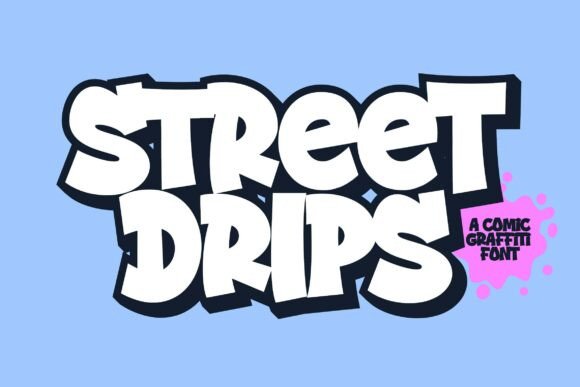
At its core, Simple Graffiti is a display typeface. This means it’s crafted for headlines, logos, and short bursts of text where visual impact is more critical than long-form readability. Its letterforms are characterized by dynamic angles, varied stroke widths, and a sense of motion that mimics the spray of a paint can. Unlike a traditional serif font or a clean sans serif font, this typeface has personality baked into every glyph. The visual weight is substantial, making it ideal for catching the eye on a busy social media feed or a crowded retail shelf. The style leans into a modern typography trend that values authenticity and attitude, moving away from overly polished, corporate aesthetics.
What makes it visually appealing is its balance. It’s not chaotic or hard to decipher; it maintains a legibility that’s crucial for design assets. The letters are distinct, ensuring that your message gets across even when the style is bold. This balance between raw energy and functional design is what elevates it from a novelty to a practical tool for branding and marketing materials.
Practical Applications: Where Urban Typography Shines
The versatility of a font like Simple Graffiti lies in its ability to adapt to different creative contexts. It’s not just for replicating a subway wall; it’s for adding a layer of cultural relevance and youthful energy to a wide array of projects. For logo design, it can help a brand, especially in streetwear, music, or extreme sports, establish a strong, recognizable identity from the outset. The font’s inherent character does much of the heavy lifting in conveying the brand’s personality.
Consider its use in packaging design. A product targeting a younger demographic—like specialty snacks, energy drinks, or audio gear—can use this typeface on its labels and boxes to stand out on the shelf. It communicates an idea of being current and connected to urban culture. Similarly, for social media graphics, it’s a powerhouse. Instagram stories, Facebook event banners, and YouTube thumbnails all need to stop the scroll. A bold headline set in Simple Graffiti can achieve that immediate visual hook.
Beyond digital, its applications in print are equally strong. Poster design for music festivals, club nights, or community events is a natural fit. The font’s energy matches the excitement of the event. For merchandise like t-shirts, hats, and tote bags, it provides ready-made cool. Even in more refined editorial layouts for magazines or lookbooks, it can be used sparingly for pull quotes or section headers to break up traditional text and add a graphic punch.
Strategic Use: Matching Typography to Your Project Goals
Choosing a font isn’t just about picking something that looks cool; it’s a strategic decision that impacts brand recognition and audience perception. When you select a typeface like Simple Graffiti, you’re making a choice to align your project with values of boldness, creativity, and urban authenticity. This is particularly valuable for small business owners and entrepreneurs in creative industries. If your brand identity is about being edgy, disruptive, or street-smart, this font becomes a core component of your visual language.
However, context is everything. A commercial font with this much personality requires thoughtful application. It likely won’t be the best choice for the body text of a legal document or a formal business proposal. Its strength is in headlines and focal points. The key is to use it where it can have the most impact without compromising the overall readability of your design. For longer text blocks, pairing it with a more neutral, highly readable sans serif font is a classic and effective strategy. This font pairing creates a hierarchy, using the graffiti style to draw attention and the simpler font to deliver detailed information.
Practical Tips for Implementation and Licensing
Before integrating any premium font into your workflow, a few practical steps ensure a smooth process. First, always test the font in your specific design software. Check how it renders at different sizes and on different backgrounds. Does it maintain its clarity when scaled down for a business card, or does it lose its detail? Does it remain legible when placed over a busy photograph in a web design mockup? These tests are crucial.
Next, explore what comes with the font file. A well-structured font package might include multiple styles—perhaps a regular weight, a bold, and even an italic or outline version. These variations give you more creative flexibility for marketing assets and digital products. Understanding what you have to work with prevents limitations later.
Finally, and most importantly, review the licensing. The terms for a commercial font dictate how you can legally use it. Licenses are typically based on the number of users (seats), the number of projects, or the type of use (desktop, web, app). If you’re a designer creating work for a client, the client often needs to own the license for the final deliverables. If you’re a blogger or content creator using it in your own digital products for sale, you need to ensure your license covers that distribution. Taking a moment to read the EULA (End User License Agreement) prevents legal headaches down the road and respects the work of the type designers.
In the end, a font like Simple Graffiti is more than just letters; it’s a tool for communication. Used wisely, it can help your projects resonate with a specific audience, strengthen your brand’s visual consistency, and add a layer of professional polish that feels genuinely authentic. It’s about expressing a style that’s both effortless and intentional, capturing the spirit of the street in a format that works for your modern design needs.