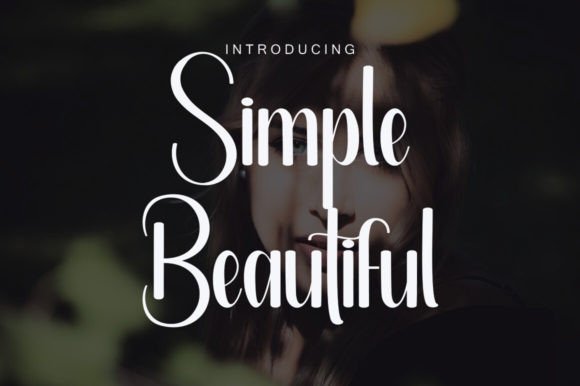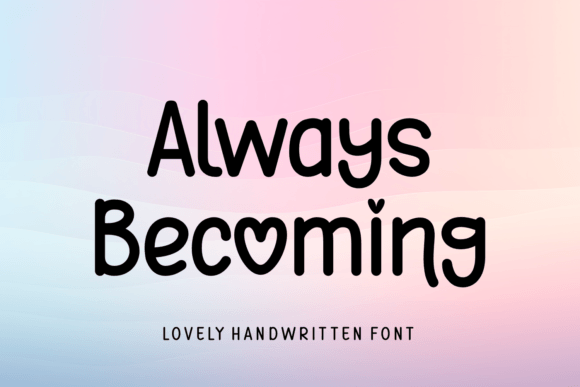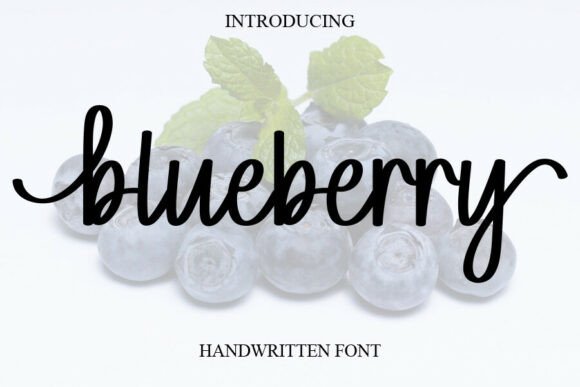
Memo Sketch: A Handwritten Font with Charming Character
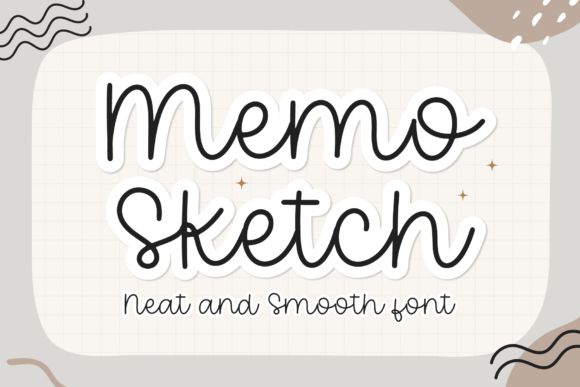
There’s a certain magic in a handwritten note. It feels personal, immediate, and full of character, something a standard block of digital text often struggles to convey. For designers and creators seeking to inject that authentic, human touch into their work, the right typeface becomes a crucial tool. This is where a font like Memo Sketch steps in, offering a sweet, legible script that balances whimsy with practicality. It’s not just another script font; it’s a versatile asset designed to bridge the gap between a personal sketchbook aesthetic and polished, professional output.
The Allure of Authenticity in a Digital Space
What makes a handwritten font like Memo Sketch so visually compelling? Its charm lies in its imperfections. Unlike rigid, geometric fonts, it mimics the natural flow of a pen or marker, with subtle variations in stroke weight and a gentle baseline that gives it life. This authenticity is a powerful design tool. In a world saturated with flawless, corporate typography, a touch of hand-drawn warmth can stop a viewer mid-scroll. It communicates approachability, creativity, and a human behind the brand. For a small business owner, this can make a product feel crafted with care. For a content creator, it adds a layer of personal branding that feels genuine rather than manufactured.
But Memo Sketch is more than just a pretty face. Its design is intentionally versatile. The letterforms are clear enough for short headlines and display text, yet they maintain a cohesive, flowing style that works beautifully for larger blocks of text when used thoughtfully. This balance is key. Many script fonts sacrifice readability for flair, but a well-designed option prioritizes both. This makes it a practical choice for projects where communication is just as important as style, from a wedding invitation that needs to be read easily to a social media graphic that must convey a message quickly.
From Brand Identity to Product Packaging
Thinking about practical applications, the font finds its home across a surprising range of projects. For branding and logo design, it can serve as the primary wordmark for brands in lifestyle, beauty, artisanal food, or children’s products. Paired with a clean sans serif font for body copy, it creates a compelling contrast that feels both friendly and professional. Imagine a bakery logo rendered in Memo Sketch, conveying homemade goodness, or a boutique studio’s name that feels personal and exclusive.
Beyond the logo, consider its role in packaging design. A handwritten script on a label for a gourmet jam, a scented candle, or a craft beer instantly tells a story of small-batch quality and attention to detail. It transforms a simple container into part of the product experience. Similarly, in editorial design for blogs or magazines, using it for pull quotes or section headers can break up the monotony of standard text, drawing the reader’s eye to key moments and adding visual rhythm to the layout.
Crafting Visual Stories Across Media
The digital realm offers endless opportunities for this kind of creative font. Social media graphics are a natural fit. An Instagram quote post, a Facebook event announcement, or a Pinterest pin featuring Memo Sketch feels more engaging and shareable. It helps create a consistent visual language for a content creator’s feed, making their brand instantly recognizable. For web design, it can be used strategically for hero text, call-to-action buttons, or featured article titles, adding personality without compromising the site’s overall usability. The key is to use it for high-impact, short-form text where its character shines.
Print materials, from posters to invitations, benefit immensely. A wedding suite using Memo Sketch feels romantic and bespoke. A concert poster for an indie band or a workshop flyer for a creative class gains an energetic, grassroots vibe. Even merchandise like tote bags, mugs, or t-shirts can leverage its appeal, turning everyday items into statement pieces that resonate with a specific audience. The font becomes part of the product’s identity, not just a label on it.
Smart Strategies for Pairing and Implementation
Choosing the right font style is only half the battle. Using it effectively requires some strategic thinking. One of the most important steps is testing font pairings. Memo Sketch, as a script font, rarely works well alone for large amounts of text. It needs a companion. A sturdy, neutral serif font can ground it for a classic, elegant look. A modern sans serif creates a clean, contemporary contrast. Experiment with different combinations to find the balance that suits your project’s tone—whether it’s playful, sophisticated, or rustic.
Readability considerations are paramount. Always test your chosen pairing at the size it will be viewed. A font that looks gorgeous as a large header might become an illegible blur as a small caption. Check how the letters connect, ensure there’s enough contrast between the text and background, and consider the medium. A premium font like this should come with multiple weights or styles (such as regular, bold, or alternate characters). Reviewing these included font styles can offer solutions—perhaps a bolder weight for better visibility on screen, or stylistic alternates that simplify a complex letter for small print.
Finally, for any commercial project, commercial licensing is a non-negotiable step. Ensure the font license covers your intended use, whether for a client project, merchandise for sale, or a digital product. A reputable design asset will make this clear, protecting both you and your work. By approaching font selection and application with this mix of creativity and practicality, you transform a simple typeface into a powerful component of your visual communication strategy, helping to build recognition, engage your audience, and present your work with a polished, intentional style.