Mayhart Windah: A Font That Commands Attention
Some typefaces whisper. Others demand to be heard. Mayhart Windah is firmly in the second category. If you've been scrolling through font libraries looking for something that carries weight, history, and undeniable presence, you've likely felt the pull of blackletter typography. This isn't a style that fades into the background. It steps forward, takes up space, and tells your audience that whatever it's attached to matters. Whether you're designing a logo for a craft brewery, laying out an album cover, or creating merch for a streetwear brand, the typeface you choose sets the tone before a single word is read.
What Makes This Blackletter Typeface Stand Out
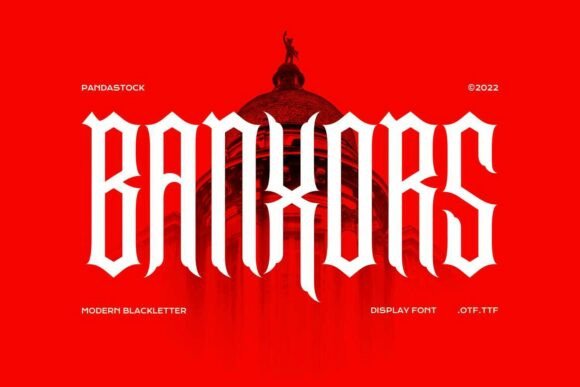
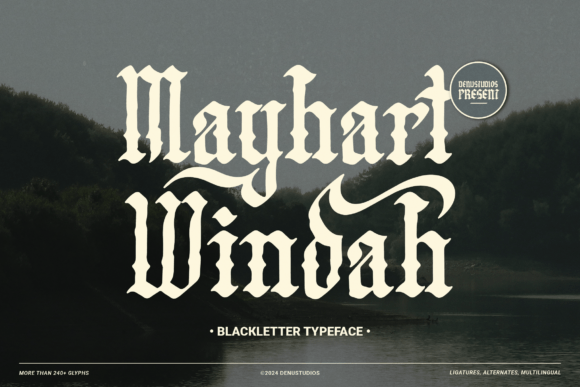
Blackletter fonts have a long history, rooted in medieval manuscripts and Gothic calligraphy. That historical weight is exactly what gives them their power today. But not every blackletter font works well in modern design contexts. Some feel too ornate, too hard to read, or too tied to a single aesthetic. Mayhart Windah strikes a different balance. Its sharp edges and intricate details honor the tradition of Gothic lettering, but the overall construction feels intentional for contemporary use. The letterforms are bold enough to function as a display font at large sizes, yet they maintain enough structure that they don't dissolve into visual noise.
What really sets this premium font apart is the depth of its character set. Beyond the standard uppercase and lowercase letters, you get access to ligatures and alternate characters. These aren't just decorative extras. They give you real flexibility. Swap in an alternate "S" or connect certain letter pairs with a ligature, and suddenly your headline or logo mark feels custom-built rather than pulled off a shelf. For anyone working on brand identity projects, that level of customization is genuinely valuable.
Where Mayhart Windah Actually Works
Let's talk about practical applications, because a font is only as useful as the projects it can serve. Mayhart Windah shines brightest in contexts where you want to communicate strength, tradition, or edginess. Think about the brands and spaces that already lean into this energy: craft beverage labels, motorcycle culture, heavy metal merchandise, tattoo studios, vintage-inspired apparel, and independent record labels. If your project lives in or adjacent to any of those worlds, this typeface feels like a natural fit rather than a forced choice.
But its usefulness extends beyond those obvious pairings. Consider using it for:
- Logo design for businesses that want a heritage or artisan feel
- Packaging design for specialty products like hot sauces, spirits, or handcrafted goods
- Social media graphics where you need a bold quote or announcement to stop someone mid-scroll
- Poster design for events, concerts, or limited-edition prints
- Editorial layouts in magazines or blogs that cover culture, music, or fashion
- Merchandise like t-shirts, hats, and stickers where text itself becomes the visual
- Invitations for themed events, weddings with a dark romantic aesthetic, or exclusive launches
- Website headers that need to establish mood immediately upon landing
- Digital products such as downloadable art prints or design templates
- Marketing assets including email banners, ad creatives, and promotional materials
The key is matching the font's personality to your project's goals. If you're designing for a children's brand or a medical practice, this probably isn't your pick. But if your audience responds to authenticity, craftsmanship, and visual boldness, Mayhart Windah delivers.
Pairing and Readability: Getting the Balance Right
One of the most common mistakes with blackletter typeface choices is using them for everything. A full paragraph set in ornate Gothic lettering is exhausting to read. This font is built for display purposes. That means headlines, titles, short phrases, and logo marks. For body text, you need a partner.
Smart font pairing is about contrast and complement. Because Mayhart Windah is ornate and high-contrast, it works best alongside something clean and understated. A simple sans serif font for body copy creates a clear hierarchy. The blackletter draws the eye, and the sans serif lets the reader absorb supporting information without strain. Alternatively, a classic serif font can create a more refined, editorial feel if that suits your brand's tone. A script font or handwritten font could work in very specific contexts, but tread carefully. Too many decorative styles competing for attention creates visual clutter rather than cohesion.
Before committing to any pairing, test it in context. Drop your headline and body text into a mockup of your actual project. Does the hierarchy feel clear? Can you read the supporting text without squinting? Does the overall composition feel balanced? These questions matter more than any abstract rule about typography.
Also, pay attention to the included styles and features. Mayhart Windah comes with alternates and ligatures that can subtly change the feel of your design. Experiment with them. Sometimes swapping a single character form is enough to shift the entire personality of a wordmark from aggressive to elegant, or from vintage to something more contemporary.
Using This Font to Strengthen Your Brand
For small business owners and entrepreneurs, typography is one of the most overlooked tools in building a recognizable brand. The fonts you choose become part of your visual language. When someone sees your logo, your packaging, or your Instagram posts, the typeface contributes to the feeling they get about who you are and what you offer. Mayhart Windah communicates specific things: tradition, boldness, craftsmanship, and a refusal to blend in. If those qualities align with your brand's values, incorporating this creative font into your brand identity can create stronger recognition and a more cohesive visual presence across every touchpoint.
Consistency is the real magic here. Use the same typeface across your logo, your website headers, your product labels, and your social media templates, and people start to recognize you before they even read the words. That kind of visual consistency builds trust. It signals professionalism. And it makes your brand feel intentional rather than improvised.
Just make sure you understand the licensing. If you're using Mayhart Windah for commercial projects, which most designers and business owners will be, confirm that the license covers your intended use. Most commercial font licenses are straightforward, but it's worth checking whether your specific use case, whether it's a client project, a product line, or a digital download, falls within the terms. That small step protects you legally and ensures you're respecting the work of the type designer.
Bringing It All Together
Finding the right typeface is rarely about what looks coolest in isolation. It's about what serves the project, speaks to the audience, and supports the message you're trying to communicate. Mayhart Windah is a display font with real personality. It draws from centuries of Gothic lettering tradition but feels at home in modern design assets, from web design to packaging design to social media graphics. Its ligatures and alternates give you room to customize, and its commanding presence ensures your work gets noticed.
Whether you're a designer building out a client's brand identity, a content creator looking for a standout headline font, or an entrepreneur launching a product that needs to stand out on a crowded shelf, this typeface offers something worth exploring. Pair it wisely, use it purposefully, and let it do what it does best: make a statement that people remember.