Chibi Chubby: A Playful Font for Kid-Friendly Designs
Ever notice how some designs just feel instantly friendly and approachable? Often, the secret isn't a complex illustration or a fancy layout—it's the typography. A font can set the entire mood for a project, and when your audience is kids or families, that mood needs to be right. You need something that feels warm, fun, and maybe even a little bit like it was drawn by a child's own hand. That’s where a typeface like Chibi Chubby comes into play, offering a specific aesthetic that’s hard to ignore.
Understanding the Chibi Chubby Aesthetic
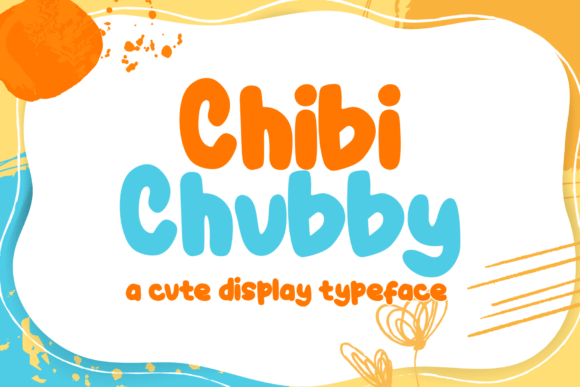
At its core, Chibi Chubby is a display font. This means it’s designed for impact, for headlines and logos, not for long paragraphs of body text. Its personality is defined by its thick, rounded strokes and a shape that mimics the imperfect, charming flow of children's handwriting. Think of the letters you’d see on a favorite storybook cover or the title of an animated show. It’s not trying to be elegant or minimalist; it’s aiming for joyful and relatable. This handwritten font quality gives it an organic feel that digital, geometric fonts often lack. It feels personal, like a friendly note passed in class.
The visual appeal lies in its simplicity and warmth. The rounded terminals (the ends of the letters) eliminate any sharp or harsh edges, creating a soft, safe visual impression. The consistent thickness of the letterforms gives it a sturdy, dependable look, much like a child’s block letters. This combination of traits makes it a fantastic creative font for projects that need to communicate directly to a younger demographic or to adults who appreciate a touch of nostalgic playfulness in their branding.
Where This Playful Typeface Truly Shines
Knowing what a font looks like is one thing; knowing where to use it is where the real value lies. The strength of a typeface like Chibi Chubby is in its versatility across specific, kid-focused applications. It’s not a universal workhorse, but in its niche, it’s incredibly effective.
For logo design and brand identity, this font can be the cornerstone of a playful brand. Imagine a children’s bookstore, a toy shop, a pediatric dentist’s office, or a kids' clothing line. Using Chibi Chubby for the main wordmark instantly communicates the brand’s focus. It builds immediate recognition with the target audience—kids see it and feel spoken to, while parents perceive the brand as welcoming and child-centric. This contributes directly to a professional presentation that aligns with the brand's goals.
Move beyond the logo to packaging design. A box of cereal, a bag of gummy snacks, or a children’s craft kit featuring this typeface on the front will pop on the shelf. It helps with readability for the product name and infuses the packaging with energy. The same principle applies to merchandise—think t-shirts, mugs, or stickers for a kids' event or a fan community. The font itself becomes a design element that fans might recognize and associate with fun.
In the digital realm, it’s a powerhouse for social media graphics. Creating Instagram posts, Facebook banners, or YouTube thumbnails for a family vlog, a daycare center, or a children’s educational app? Chibi Chubby can make your text stand out in a crowded feed. It grabs attention with its friendly vibe, which can improve audience engagement. For web design, it’s perfect for website headers, button labels, or section titles on sites dedicated to kids' products, services, or content. It sets a welcoming tone from the first click.
Don’t overlook print and editorial uses. Invitations for birthday parties, baby showers, or school events are a natural fit. Posters for a local kids' theater production, a summer reading program, or a community fair become more inviting. Even editorial design for children’s magazines or activity books can benefit from its use in headlines and callouts, breaking up the layout and adding visual interest that keeps young readers engaged.
Making It Work: Practical Tips for Implementation
Choosing the right font is just the start. Using it effectively requires a bit of strategy. First, always consider readability. While Chibi Chubby is clear for short bursts of text, you wouldn’t use it for a full paragraph. Pair it with a clean, simple sans serif font or even a neutral serif font for body copy. This creates a clear hierarchy: the playful display font for impact, the legible font for information. Testing these font pairings is crucial. See how they look together at different sizes on your intended medium.
Next, think about your project’s specific goal. Is it for a formal school announcement or a whimsical birthday party? The context matters. Review the included font styles—does the family offer bold, light, or italic variations? Using a bold weight for a main title and a regular weight for a subtitle can add sophistication to your layout while maintaining the playful core. This kind of attention to detail elevates a design from amateur to polished.
Finally, a critical, often overlooked step: commercial licensing. If you’re using this font for a client project, for merchandise you sell, or for any commercial use, you must ensure you have the correct license. A premium font is an investment, and respecting its licensing terms is part of being a professional designer or business owner. It protects you legally and supports the type designers who create these valuable design assets.
In the end, a font like Chibi Chubby is more than just a set of letters. It’s a tool for connection. It helps bridge the gap between a message and its youngest audience, wrapping that message in a visual language they understand and enjoy. By choosing typography that aligns so perfectly with your project’s heart, you’re not just designing—you’re communicating. And in the world of kid-focused design, that’s everything.